
Brokerage consolidation is no longer a future trend—it is happening now.
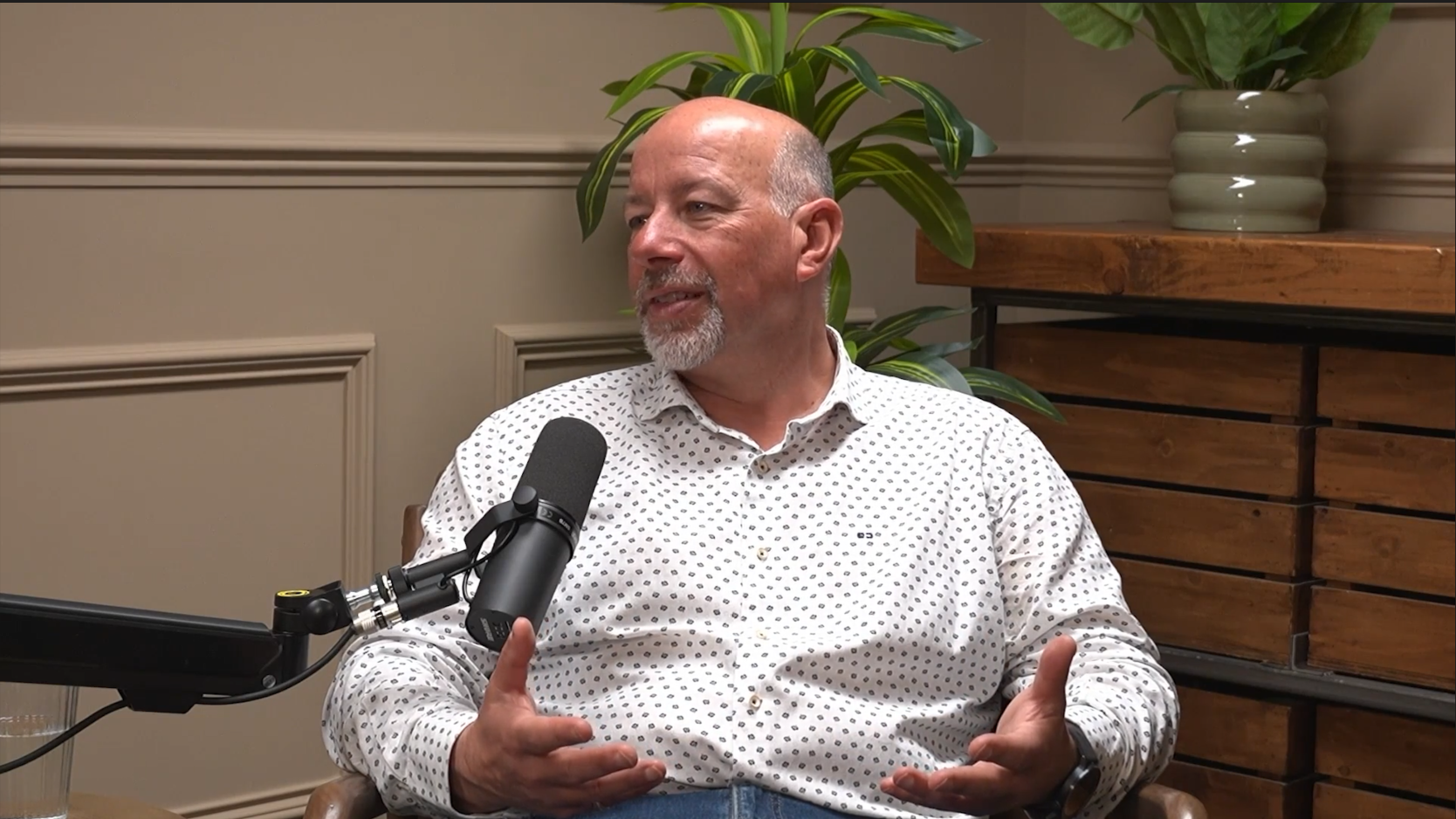
In this episode of the Integral Podcast, Andrew Saks speaks with Chris Rowe of FTCS to look through the structural forces driving consolidation across the industry. From rising regulatory expectations to increasing capital requirements, firms are being pushed to rethink how they operate, scale, and compete.
As compliance thresholds climb and operational complexity grows, the question facing many brokers is simple: adapt, merge, or exit.
Key Themes Covered:
- Why consolidation is accelerating across global brokerage markets
- The shift toward stronger regulation and its long-term implications
- How capital requirements (including ICARA considerations) are raising the barrier to entry
- The real cost of holding regulatory capital
- Regional regulatory differences and how firms navigate them
- Build vs buy: why even large brokers are increasingly outsourcing technology
- Lessons from other industries on specialization and vendor ecosystems
Podcast Summary:
Chris Rowe outlines a clear trend: the brokerage industry is entering a new phase where scale, compliance, and capital strength are essential for survival.
With regulatory frameworks tightening year after year, smaller firms are finding it increasingly difficult to justify the cost of maintaining licenses and holding significant capital reserves. In some cases, regulatory capital requirements alone can approach seven figures once ICARA factors are applied.
This environment is accelerating consolidation, as firms look to merge, acquire, or partner to remain competitive.
The conversation also explores a critical strategic shift in technology. Rather than building everything in-house, many leading brokers are turning to specialist providers—mirroring industries like automotive manufacturing, where outsourcing key components does not diminish the strength of the final product.
View the full conversation below: