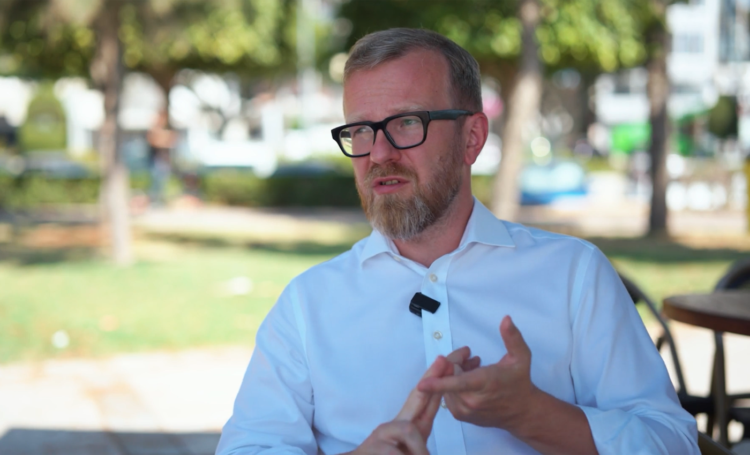

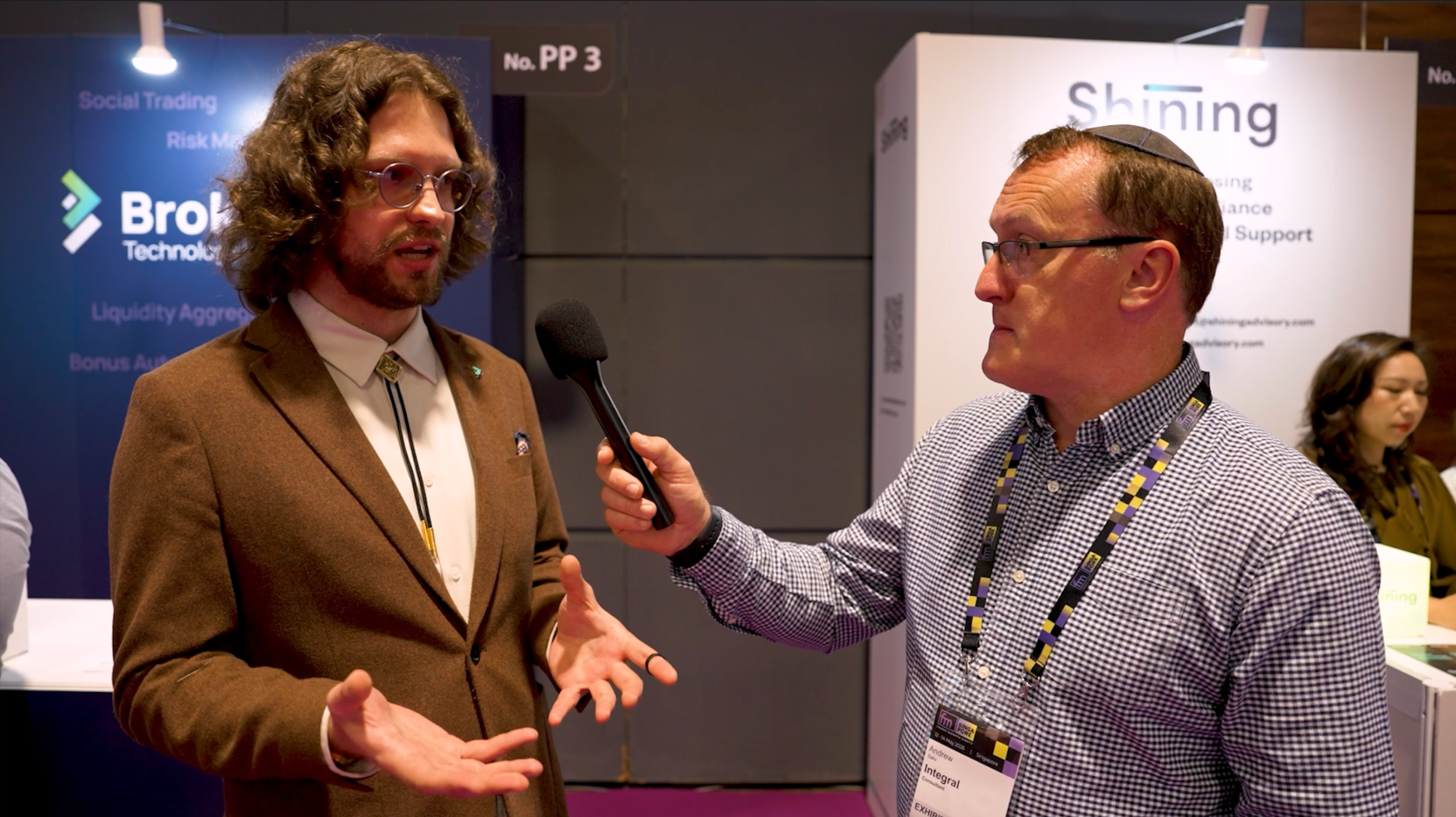
At the 2026 Finance Magnates Singapore Summit, Andrew Saks sat down with Anton Sokolov, Head of Product at Brokeree Solutions, to explore how brokers can modernise their infrastructure to attract global clients, support new asset classes, and keep pace with evolving technology.
Singapore’s unique mix of traditional banks, fintech innovators, and rapidly modernising precious‑metals trading is putting fresh pressure on brokers to rethink how they build and run their technology stacks. In this conversation, Anton shares why infrastructure can no longer be an afterthought—and how modular, scalable platforms are becoming the backbone of modern brokerage.
Infrastructure is no longer optional
For many brokers, infrastructure has traditionally been a pain point—and often overlooked—until it starts to block growth. Anton argues that the priority should be flipped:
- Solid infrastructure = solid operations.
No matter how advanced your analytics or marketing tools are, poor infrastructure will create latency, downtime, and operational risk. - Scalability must be stress‑tested in real‑life scenarios, not just in theory. Brokers should simulate the volumes and types of clients they plan to attract and see how their systems cope.
In other words, technology is only as good as the infrastructure that supports it.
Breaking out of rigid, monolithic systems
Much of the broker tech world has relied on monolithic systems that try to cover everything in a single product. As Anton explains, that model is starting to show its age:
- Older systems were designed in a world of lower volumes and fewer integration points.
- They often struggle to adapt to new client types, on‑boarding workflows, and modern front‑end experiences.
Now, with modern tools like AI and advanced optimisation techniques, the industry is shifting toward modular, fragmented solutions that can be precisely tailored to a broker’s needs.
The rise of modular, component‑based platforms
One of the most important shifts Anton highlights is the move from “one‑size‑fits‑all” platforms to modular systems.
- Brokers can now choose the types of modules they need—order‑handling, risk, liquidity, reporting, CRM, IB management, analytics—and mix and match them.
- Instead of shipping a “full‑stack” product and slicing it up via licensing, vendors can let brokers enable and disable components as their business matures.
This approach:
- Reduces technical debt.
- Speeds up time‑to‑market.
- Lets brokers align their technology stack with their exact growth roadmap.
The infrastructure‑led tech revolution
In Anton’s view, the industry is in the middle of a tech infrastructure revolution. After 20+ years of rigid, monolithic systems, the new paradigm is: flexible, API‑first, modular, and scalable by design.