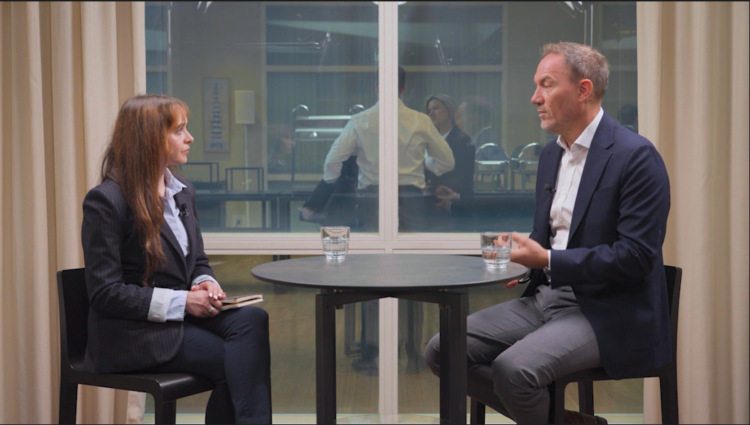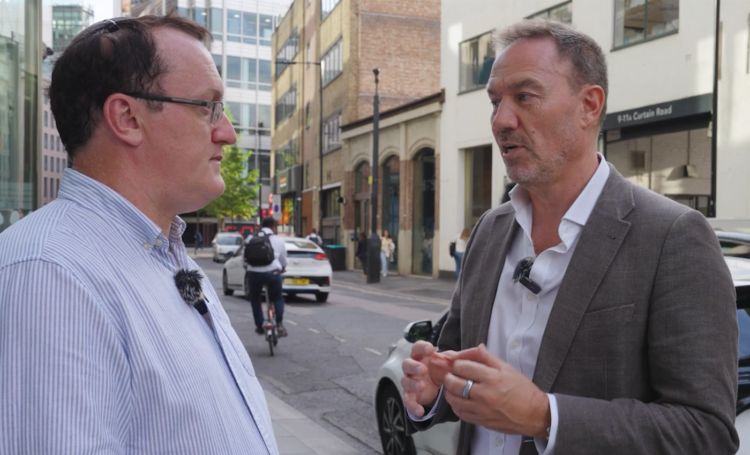

Ruben Abitbol, CEO and founder of RUBIK Prop Trading Consultancy spoke with Andrew Saks at iFX EXPO International 2026 in Cyprus, to discuss the intersection of prop trading and prediction markets. Fresh from a panel on prop shops and the emerging prediction market rush, Ruben outlined how three distinct but overlapping worlds are starting to collide: traditional prop firms, prediction markets, and prop-style challenges built specifically for prediction trading.
The conversation explores how prop firms are evolving from selling challenges to actively employing traders who have passed those challenges, and how some are now looking to move those traders into prediction markets. That shift opens the door to trading on sports, politics, events and other non-traditional instruments, all within a prop-firm environment.
Why this matters for brokerages and prop firms
Prediction markets are no longer a niche idea. They are attracting attention from prop firms, brokers and even iGaming operators, drawn by the 24/7 nature of the asset class and the breadth of what can be traded. The question is no longer whether prediction markets will grow, but who will end up dominating them.
Ruben stresses that risk management will be the central challenge. Prop firms that move into prediction markets must understand trader behaviour, model exposure correctly and build sustainable risk frameworks. Without that foundation, the business model quickly becomes unstable.
What they discuss
- How prop firms are shifting from challenges to employing funded traders
- The rise of prediction markets as a new instrument set for prop firms
- Whether new prop-driven prediction markets can rival established players
- The role of brokers and iGaming in the emerging prediction market ecosystem
- Why risk management is the make-or-break factor for sustainable growth
A conversation for market infrastructure
For anyone working in brokerage, prop trading, or market infrastructure, this discussion offers a clear view of where the industry is heading. As Reubin sees it, prediction markets are becoming part of the broader trading landscape. The firms that understand how to structure, manage and distribute these products will be the ones that benefit.
Watch the full interview below: