
Where does technology infrastructure end and regulated brokerage activity begin? This question touches on one of the most important and least understood issues in the industry.
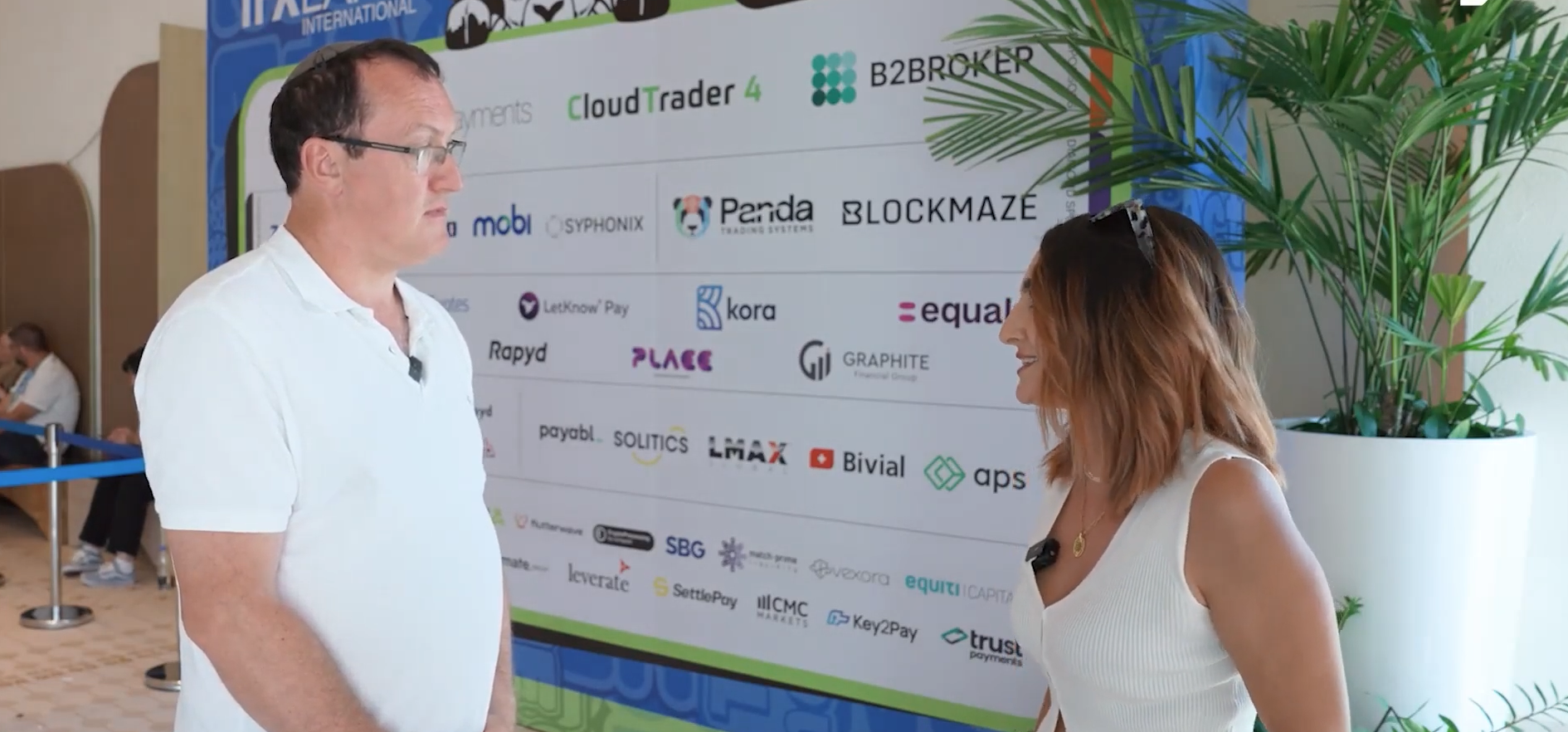
Marina D’Angelo, Head of Europe at DLT Law, met with Andrew Saks at the iFX EXPO International 2026 in Limassol, Cyprus, to discuss how some firms that present themselves as “tech providers” are increasingly blurring that line through their pricing models and client activity handling, effectively stepping into the brokerage business without the corresponding regulatory posture.
From a legal and commercial perspective, Marina explains that the risk is not just about crossing regulatory boundaries. It is also about counterparty risk. Tier 1 market makers, banks and other conservative institutions are increasingly scrutinising trading structures, and firms that cannot clearly demonstrate where their tech ends and their brokerage begins may find themselves shut out of high-quality liquidity and partnerships.
Why this matters for brokers and market infrastructure
The discussion with Marina highlights a structural tension in the market. On one side, brokers want a comprehensive, agnostic backend core trading engine that is not tied to any liquidity provider or rigid frontend, and that allows them to control their own IP, product range and business model. On the other side, many “all-in-one” solutions bundle technology with liquidity, client handling and even revenue-sharing, creating potential conflicts of interest and limiting scalability as the brokerage grows.
For brokers, the question is no longer just about features and pricing. It is about whether their technology stack preserves their independence, protects their IP, and keeps them on the right side of the regulatory line in multiple jurisdictions.
What you will hear
- How tech providers are blurring the line between software licensing and brokerage activity
- Why pricing models tied to trades, not fixed fees, can signal regulated activity
- The risks of tech providers matching trades
- How tier 1 counterparties and their compliance teams view mixed tech/brokerage structures
- Why a fully agnostic back-end, independent of venues and front-ends, is a more sustainable model
- The importance of controlling your own IP and avoiding vendor lock-in as you scale
- What brokers should ask before committing to an “all-in-one” solution
- How legal opinions and clear structural separation can preserve access to quality counterparties
A conversation for market infrastructure
For anyone building or running a brokerage, this discussion offers a clear warning and a practical framework. Technology choices are not just operational; they are strategic, commercial and regulatory. The firms that understand where the line is, and how to defend it, will be the ones with the most flexibility and the best access to institutional counterparties.
Watch the full conversation below: