The second day of iFXEXPO International in Limassol confirmed a trend that was already visible on day one: the retail brokerage industry is no longer a finance business wrapped in technology. It is a technology business wrapped in finance.
Crypto vs TradFi: Who Wins the Hybrid Future?
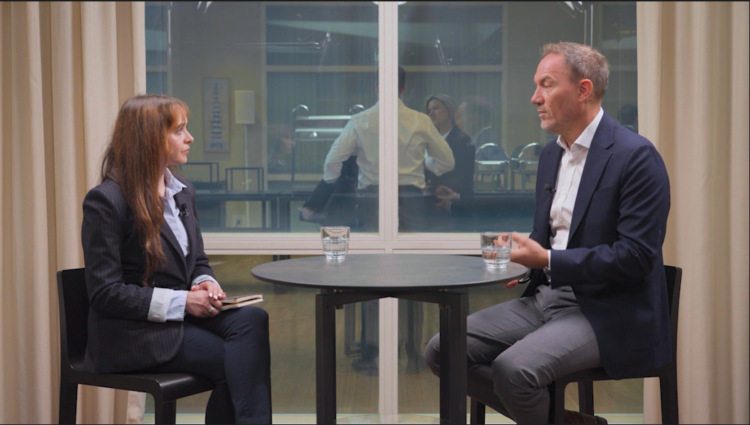
A central theme emerged from a panel titled Crypto vs TradFi. The differences between crypto and traditional finance are disappearing fast. Crypto-native platforms are no longer confined to digital assets. They are aggressively expanding into equities, commodities and the always-on, 24/7 trading environment that legacy brokers struggled to match. Meanwhile, traditional brokers are under mounting pressure to evolve—integrating digital assets, upgrading infrastructure and using regulation as a competitive edge rather than just a compliance burden.
The panel also addressed the core tensions that will define the next cycle. Traditional brokers must decide whether they can compete with 24/7, multi-asset crypto platforms that do not close for nights or weekends under an always-on model. This was led by crypto-native firms but now the establishment is following. Even CME in Chicago is looking at it.
The underlying question being discussed was: who will win the hybrid future – crypto-native firms expanding into traditional products, or legacy brokers that can wrap a crypto-native experience around their existing CFD client base and effectively cross-sell.
What traders want is not a specialised platform or an all-in-one solution in isolation, but a seamless experience that combines both. Then the real question becomes, who will win the trader?
Tokenisation: From Theory to Industrial Revolution
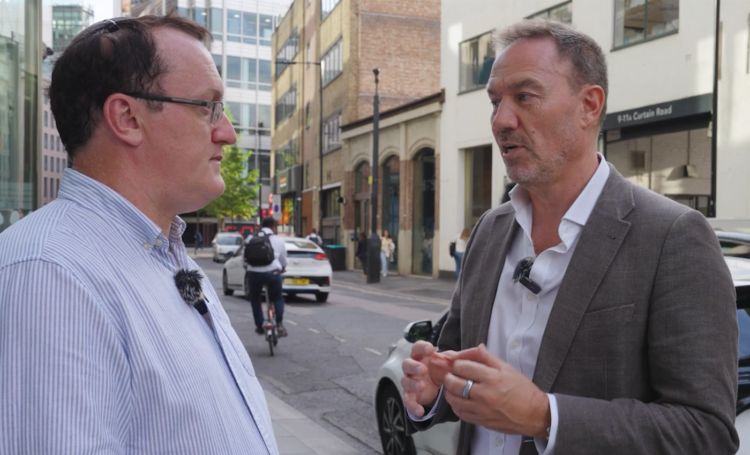
The day also featured a direct conversation with Tajinder Virk, CEO and Co-Founder of Finvasia, who made a clear point about tokenization of real-world assets. Tokenization is well past being a fledgling idea. It is paving the way toward a new tech-driven industrial revolution in which people buy fractions of assets such as real estate or other investment vehicles. As an example, instead of forty people waiting to buy a property – navigating lawyers, mortgage applications, searches and checks – buyers can now purchase fractions of one property, settle via blockchain immediately, and sell right away with low fees. This means less debt risk and a more distributed ownership model in the future.
Marina D’Angelo of DLT Law reinforced a point that many brokers continue to ignore. If a tech vendor charges volume fees, becomes involved in the brokerage business by sharing revenue based on trading activity, hosts clients on the vendor’s server rather than the broker’s infrastructure, or locks brokers into a legacy system, then the broker is reduced to a referrer of business to the tech vendor.
That creates real risks. Marina explained that many Tier 1 liquidity providers may consider such firms as needing to be regulated as financial services providers if they are participating in brokerage activity. Brokers also end up with limited control over their intellectual property and a limited range of liquidity providers.
The solution is to use technology that provides a comprehensive back-end core which is liquidity agnostic, brokerage agnostic, and allows brokers to build on top of it with API connectivity for any front end. The brokerage concentrates on the brokerage business and owns its destiny – the tech vendor acts purely as a tech vendor without controlling the direction of the broker’s business.
Integral’s Matthew Avery reinforced that point with a focus on spot crypto – and how brokerages can offer it as part of an inclusive, comprehensive solution that positions a broker as a venue rather than just a middleman.
Spot crypto is no longer a niche, and it is not enough to try to emulate demand by offering CFDs. Traders want a crypto-native experience. The question is how to offer it. Matthew explained that the answer is to have a fully comprehensive system that provides a Central Limit Order Book as part of the tech solution. This means a white-label broker can become an actual venue.
That’s a wrap for this year’s iFXEXPO International. This year’s conference made it clear that the brokerage industry is no longer an affiliate marketing business. It is now a fully tech-first business. The firms that embrace this shift will define what comes next.