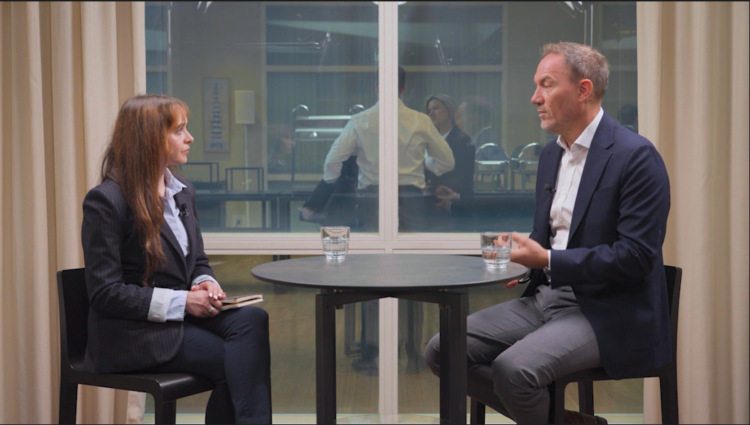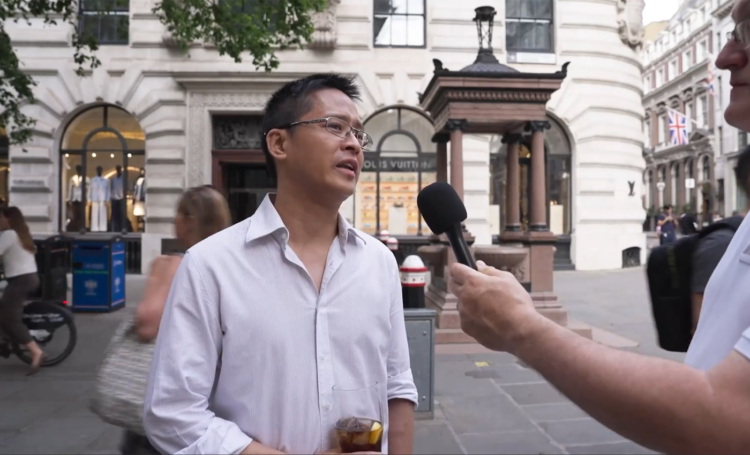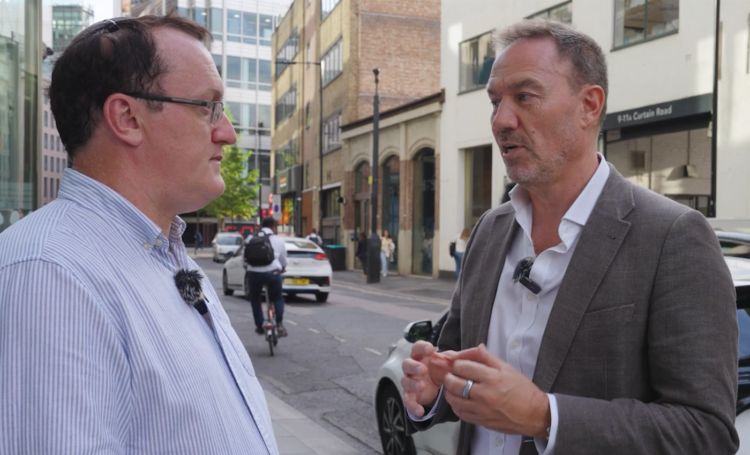
Limassol has once again become the centre of gravity for the global retail electronic trading industry and day one drew one of the largest turnouts the event has seen.
What stood out most in the boothside discussions and on the panel stages was a growing recognition that the real battle now exists within infrastructure, client behaviour and the changing nature of trading itself.
Prediction Markets: From Novelty to Serious Trading Environment
One of the more interesting themes I heard repeatedly from brokers was the rising relevance of prediction markets. These are no longer being treated as a novelty. They are increasingly being viewed as a serious trading environment, particularly among younger participants who are already accustomed to fluid, fast-moving digital communities.
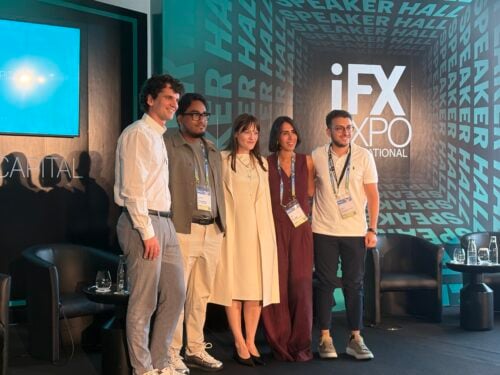
That view was reinforced in conversation with Ruben Abitbol, CEO of RUBIK Prop Firm Consulting, who explained that prop firms which originally built their following through trading competitions are now seeing a natural migration toward prediction markets.
The traders drawn into those competition-led ecosystems were not arriving in a traditional market maker-versus-client structure. They were entering Discord and Telegram communities where everyone was effectively on the same level, learning, competing and improving in public.
Many of the traders who mastered those competitions and were later recruited by the prop firms whose competitions they passed are now becoming interested in prediction markets, with the younger ones leading the way. In Ruben’s view, prop firms that have already accumulated enough critical mass are beginning to move in that direction.
That shift matters because it suggests that trader acquisition and trader engagement are no longer confined to the old brokerage playbook. The next wave of growth may come from firms that understand how to build around community, competition and alternative trading formats rather than relying solely on the classic retail CFD model.
The Legacy Tech Reckoning
A second major topic on day one was the panel session titled From Legacy Chaos to Next-Gen Tech Stacks, which brought together senior executives from major enterprise technology firms including Google and Oracle. The discussion went straight to a point I have been making for a long time: brokerage back-end neglect is no longer a minor operational weakness, but a growing liability.
Many retail brokerages entered the market from adjacent sectors, often from affiliate-driven businesses, and without the capital base or native FinTech foundation to build a true technology stack from scratch.
White-label systems and off-the-shelf infrastructure filled the gap. That made commercial sense at the time, but it also created a structural weakness. Technology hosted on third-party servers, limited ownership of client data, and very little room to adapt as the market changed were always going to become problems eventually. Now, with regulation tightening, AI integration becoming more relevant, and new asset classes entering the frame, that fragmentation has turned into a serious operational and reputational risk.
The conclusion emerging from the panel was clear: firms should stop trying to build what they are not in business to build. The smarter route is to choose a comprehensive back-end core trading infrastructure that avoids vendor lock-in, supports customisation on top of a stable core, and offers a complete framework for connectivity, execution venues and user experience. In other words, the infrastructure should enable the business rather than constrain it.
As brokers, fintechs and trading firms compete on speed, scalability and client experience, the tech stack itself has become a differentiator. With AI, regulatory pressure and real-time performance demands all rising at once, the challenge of choosing the right architecture is more complex than ever. The question is no longer whether technology matters. It clearly does. The question is whether firms have the discipline to build an architecture that can actually support where the industry is going.