

Monday: Singapore’s giants lead the way
Singapore has always mattered to the brokerage community, but this week it carries a particular significance. The Finance Magnates Singapore Summit brings together some of the most important voices in the industry. For those in the trading industry, it is one of the few places where the conversation can move naturally from brokerage infrastructure to precious metals to regional growth without sounding as if temporary trends are being stretched out.
That is why the coming days matter so much: not just because of the meetings and the summit itself, but because the region offers a live example of where the industry is heading.
That direction is clear enough. The market is no longer rewarding firms that merely participate in price discovery. It is rewarding those that can build, connect, and settle properly. In precious metals particularly, infrastructure is not a back-office detail; it is the core of the business.
Tuesday: Brian Lam and the gold rush.
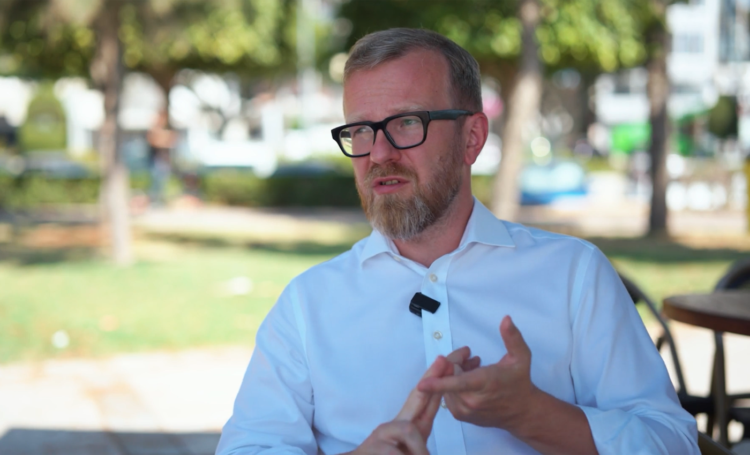
I had the privilege of meeting Gold Silver Central co-founder and Managing Director Brian Lan at his office, where we discussed the critical factors brokerages need to consider if they want to approach, and sustain, a meaningful place in the gold and silver bullion markets during this boom period.
Brian’s view aligned closely with my own: many firms in the OTC derivatives space have long wanted to offer precious metals to clients and white-label partners, but have tried to do so by simply transposing a CFD model onto a market that is fundamentally different. That may work on a superficial level, but it does not create real participation in the bullion sector. No physical asset. No genuine settlement logic. No infrastructure designed for ownership, custody, or transfer.
That distinction matters.
A physical bullion business is not about spread alone, and it is certainly not about market making in the way an FX CFD model might be. It is about settlement, access to the right liquidity partners, and the ability to connect efficiently into those settlement and execution channels through a comprehensive API structure.
The brokerages that understand this and build for it properly are the ones most likely to remain in the precious metals space for the long term.
Brian’s office was a vivid reminder of what that market actually looks like in practice.
Around us sat arrays of physical gold bullion, pure silver mined in Switzerland and Australia, gold coins from Europe and Oceania, and secure vaults holding underlying metal. This is not theoretical trading.
It is an actual transaction in an underlying asset, one that can be held, borrowed against as collateral, and in some cases tokenised into a digital representation of vaulted product.
That tokenisation point is especially important. It removes the awkward engineering that used to make small physical allocations cumbersome, and it opens the door to fractional gold and silver ownership without abandoning the logic of the underlying asset. In other words, it modernises access without stripping away substance.
Gold Silver Central serves clients globally: some trading directly in the office, others transacting remotely. Crucially, the business has used the Integral platform since 2011 as a core back end to power this highly impressive physical gold and silver dealership. That longevity says a great deal about what matters in this market: reliability, connectivity, and the ability to support a very different kind of metals business at institutional grade.
Keep an eye out for my podcast with Brian, coming in the next few weeks, where we will go deeper into how the bullion market is changing and what brokerages must do if they want to participate properly.
Wednesday: The week’s sharp lesson
This week’s takeaway was simple and very important: bullion is not a product you slap onto a CFD stack, it’s a business that demands proper back end tech. The panel in Singapore – ‘Precious Insights: APAC’s Bullion Market’ –moderated by Integral’s Judy Goh, made the point bluntly: settlement, custody and institutional‑grade connectivity matter far more than headline spreads.
If your tech can’t talk to vaults, LPs and custodians via resilient APIs, or your liquidity lines won’t hold under stress, you’re not in the bullion business — you’re merely offering a cosmetic CFD.
Read our full coverage of the panel including an operational checklist on what winning firms are actually building.
Thursday: What did Philip Nova say?
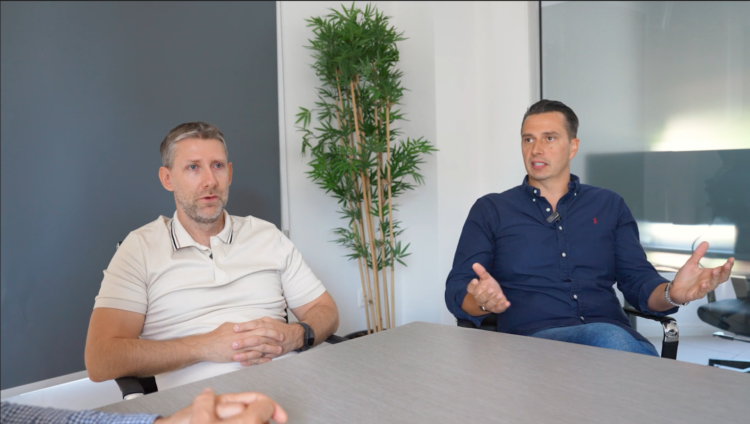
A private round table conversation with Phillip Nova, a Singapore-based multinational company whose parent, Phillip Capital, understands the futures and listed derivatives market very well – continued Wednesday’s discussions into the evening.
Moderated by Phillip Nova executive Lim Jun Kit, Integral’s own Sheila Koo made retention a company‑wide mission – arguing that front-end, liquidity, risk management and operations are all components which retention of customers is reliant on.
Sheila’s message was clear. Clients expect super‑app user experience, and traditional areas of focus such as low spreads mean nothing if execution rejects, slippage exists or platforms cannot cope. The SNB shock proved it over 10 years ago and here we are in 2026 with so much legacy tech still in use. Personalisation, real‑time APIs, multi‑product quoting and tested resilience are now table stakes.
Friday: Christopher Forbes of CMC Markets: “Stablecoins will dominate”
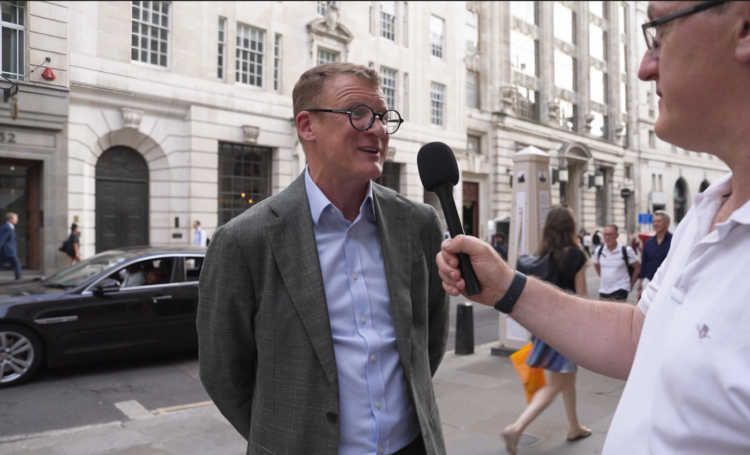
Christopher Forbes, newly installed as Head of Middle East & Asia at CMC Markets, gave a blunt steer on the tokenisation debate: the dream of using Bitcoin to buy a house is dead and stablecoins and tokenised fiat will be the medium that actually enables on‑chain settlement of real‑world assets.
Speaking on the “Future of Finance is Tokenised” panel at the Finance Magnates Singapore Summit, Chris argued that tokenisation’s practical value won’t be in speculative crypto as money, but in stable, fiat‑pegged settlement layers that make fractional ownership, instant transfers and real‑time settlement possible.
The practical frictions that remain are significant. Listed event markets (think Kalshi and exchange‑listed event products) show how real‑world contingent claims can be standardised and regulated, whereas OTC platforms like Polymarket settle differently and point to how non‑traditional markets might evolve. But questions remain: how do you translate leveraged securities or warrant‑style payoffs on‑chain? How does a global issuer reliably push dividends — “4p per share” — onto every chain? Who guarantees cross‑chain finality, custody and legal enforceability?
Chris’s perspective is pragmatic: the early wins will be mundane but powerful, stablecoin settlement, robust tokenised custody, and fractionalisation of high‑value assets, because those remove costly legal frictions and time‑consuming settlement cycles.
That, he suggested, is the industrial revolution in finance: technology that replaces slow, lawyer‑led transfers with instant, programmatic settlement, provided the plumbing – regulation, custody, liquidity – is right.
The older predicted use cases, for instance, house purchases on Bitcoin, were hawked by mavericks. The real transformation will be stablecoin settlement and tokenised, tradeable fractions of real assets. The market participants who solve the custody, legal and settlement puzzles first will define the next era.