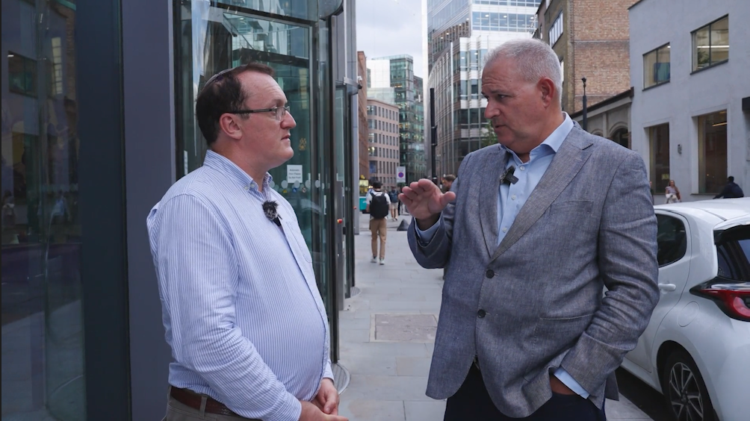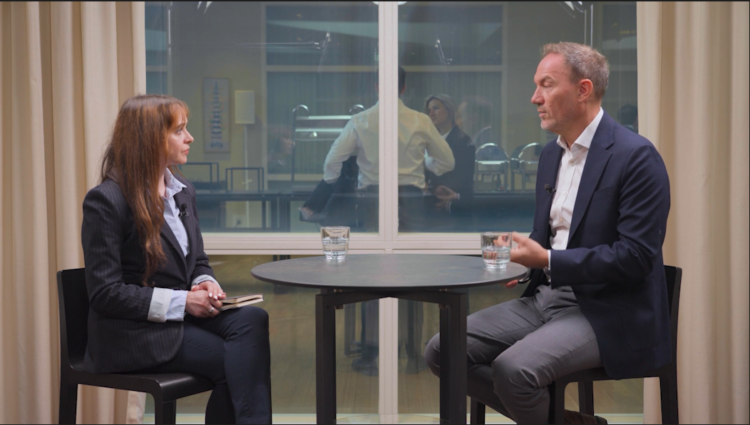
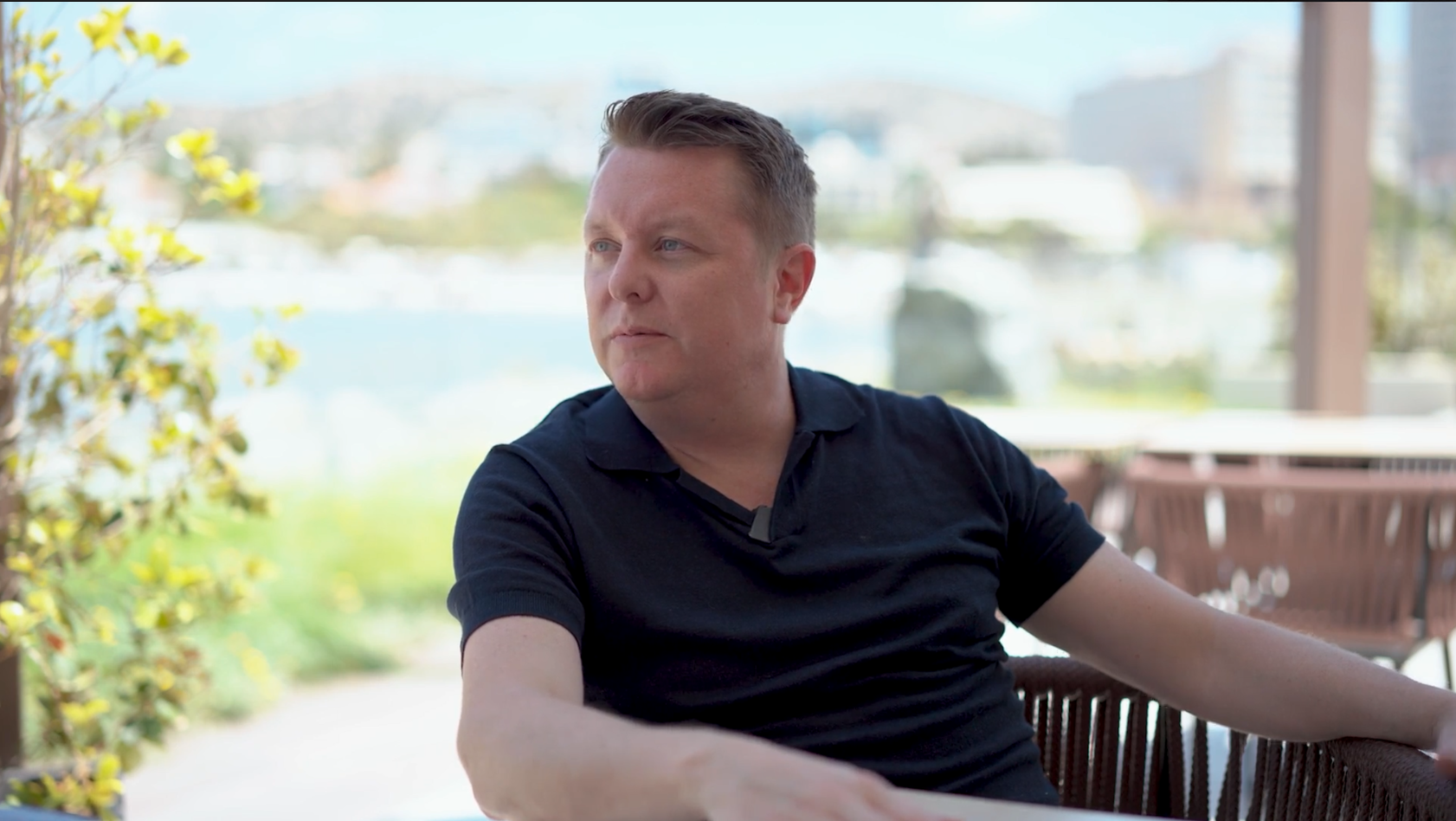
The brokerage sector and its ancillary ecosystem have matured, and with that maturity comes a new set of challenges around banking, payments, licensing and product strategy. In this wide‑ranging conversation, Andrew Saks meets with Paul Orford of KC Bank in Limassol Cyprus to explore what it now takes to build a durable, bankable brokerage and select the correct trading platform infrastructure.
From tier‑one banking access for FX brokers to the realities of onboarding crypto-native firms, from the economics of client acquisition to the need for owned payment infrastructure and differentiated user experience, the discussion covers the entire spectrum of issues shaping the next cycle.
Key themes in this episode
- Banking for brokers and liquidity providers: Why “we’re not a scam” is no longer a strategy, and how license jurisdiction, business model and operational transparency determine access to tier‑one banking.
- FX vs crypto: who finds banking easier? How banks assess crypto exchanges versus CFD brokers, and why “crypto” is too broad a label. Transactional, investment and stablecoin‑settlement use cases are becoming more important differentiators.
- The economics of generic brokerage: With customer acquisition costs around $1,500, average deposits often lower and short six‑month lifetimes, the classic lead‑buying, generic front‑end model is mathematically obsolete.
- Own the rails: Why owning or tightly controlling payment infrastructure, from deposit to withdrawal, custody and product, is now a strategic necessity.
- Product beyond CFDs: Why pure CFD brokerages are increasingly seen as legacy entities, and how firms that add crypto, managed products, fractional funds and custom apps can build loyalty and reduce churn.
- What banks want to see: The importance of saying “no” in banking, and how the right license, clear money‑in/money‑out flows, target markets and long‑term client profiles radically improve the odds of approval.
Choose the right tech for sustainable business
For brokers looking to prosper in today’s market, the implications are clear:
- Legacy, front‑end‑first platforms that rely on generic UIs and third‑party payment processors will find banking relationships increasingly difficult and client economics increasingly unforgiving.
- Firms that invest in institutional‑grade back‑end infrastructure, flexible integration layers and owned or semi‑owned payment flows can differentiate their offering, improve unit economics and become far more bankable in the eyes of tier‑one institutions.
- The convergence of crypto‑native and trad‑fi expectations, including intuitive apps, multi‑asset product sets, stablecoin settlement is no longer theoretical. It is the baseline that the next generation of traders and investors will demand.
Watch the full interview: