
In institutional markets, relationships are built through consistency, trust, and a genuine understanding of how client needs evolve.
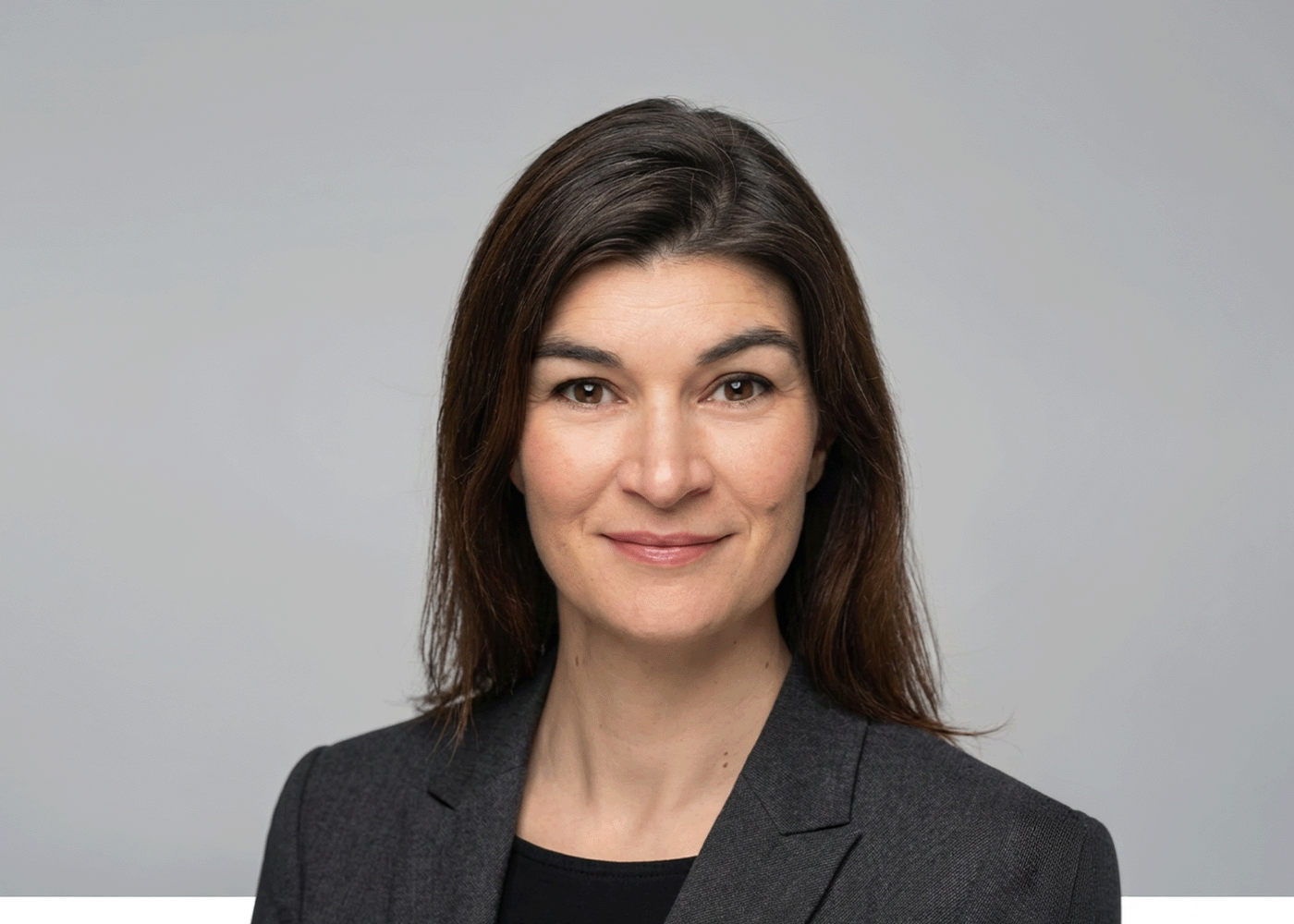
We sat down with Rachel McAlonan, Account Manager in Integral’s EMEA team, to talk about her career journey, how client expectations have shifted, and what it really takes to build long-term partnerships in today’s market.
Q: Can you tell us a little about your career journey and what drew you to account management in financial markets?
After university, I completed a work placement in Italy before joining a brokerage firm in the City as the Italian-speaking member of their customer service team. I initially joined Integral on the Onboarding team before being offered the opportunity to move to the Account Management team.
Account Management felt like a natural next step after my time in customer service. I enjoy helping customers, understanding their needs and partnering with them – a high customer service level is what account management is built around.
Q: How have client expectations changed over the past few years, and how has your role evolved in response?
Over the past few years, clients have become significantly more knowledgeable. The emergence of new asset classes, combined with greater levels of insight and data available to them, means that they arrive at conversations better informed than ever before – and their expectations have risen accordingly.
Clients no longer want a one-size-fits-all service; they expect faster response times, personalized solutions, and higher-quality insight tailored to their specific situation. Above all, they want to feel genuinely understood.
For me, that has meant evolving how I approach the role. I invest more time in listening, more time in preparation and more time thinking proactively about each client’s needs – making sure that the service we offer keeps pace with what they expect.
Q: From your perspective, what does building a long-term client relationship actually involve in practice?
It comes down to consistency and trust. Clients need to know that you will deliver on what you promise and that you genuinely have their interests in mind. That consistency isn’t just about major milestones, it’s reflected in everyday interactions, follow-ups and how you respond when challenges arise.
Over time, that consistency builds a relationship where clients feel comfortable being open with you, which in turn means you can serve them much better.
Q: Markets evolve constantly. How do you support clients as their needs grow or shift over time?
Regular, meaningful conversations are at the heart of how I support clients as their needs evolve. By staying close to each client, I can ensure that they are informed of changes within our product offering and better positioned to act when new opportunities emerge.
Equally, it means that when a client’s circumstances shift, I already have the context to respond quickly and in a way that is relevant to them.
For me, the goal is a relationship that feels dynamic rather than static – one that grows alongside the client rather than simply reacting to them.
Q: What advice would you give to someone considering a client-facing role in institutional financial markets?
The two qualities that I would highlight are curiosity and honesty. Invest in your knowledge and stay curious – institutional clients are sophisticated and well informed, so you need to be across the detail.
Client-facing roles are ultimately built on trust, and trust comes from being honest, consistent and always advocating for the client even when it is not the easiest path.
It can take time to establish yourself, but if you focus on building meaningful relationships, you will build ones that last.