
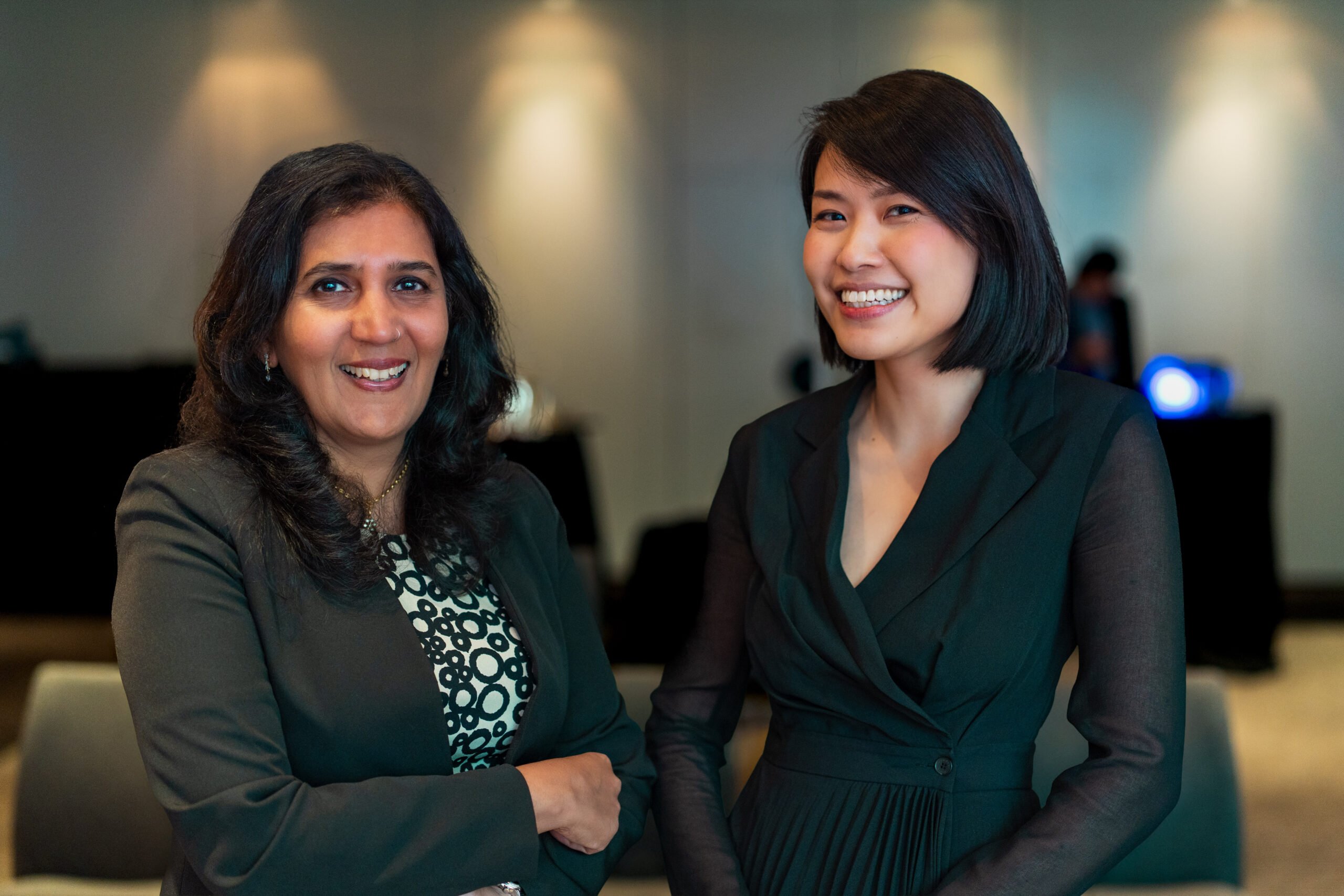
Judy Goh, Managing Director, APAC
Q: Can you describe your role as Managing Director for APAC, and the key areas you are responsible for across the region?
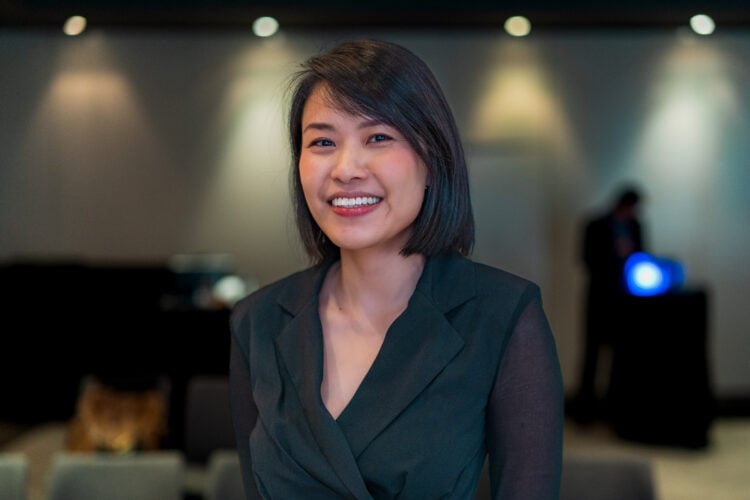
As Managing Director for APAC, I oversee everything that touches our Asia business. The role is really about making sure the right things are happening in the right places at the right time. No two days look the same, which is honestly what I love about it.
Q: What are the most important decisions you make that directly influence business performance and client outcomes in APAC?
In a region this diverse, the most consequential decisions I make are about where we direct our energy and resources, and where we don’t. APAC is not one market but many, each with its own dynamics and client maturity, and you can’t be everywhere at once. Being selective is critical to business performance.
Beyond that, what really drives outcomes is how deeply we understand each client’s world – not just what technology they need, but what success looks like for their business, what pressures they’re navigating, and where we can genuinely move the needle for them.
In electronic trading, it’s easy to measure progress by deals closed or platforms deployed. What I care about more is whether our clients are actually thriving – whether the solution we’ve built together is helping them compete, grow, and serve their own clients better. That’s the standard I hold myself and my team to.
Q: How do you ensure alignment between global strategy and execution across diverse APAC markets?
Global strategy isn’t ready-made for a region as complex as APAC, that doesn’t operate as a single market – what works in Singapore doesn’t automatically work in Thailand or Japan.
My job is to make sure it lands meaningfully across very different regulatory environments, client maturity levels and market dynamics. I spend a lot of time bridging that gap, translating global priorities into plans that make sense on the ground, while being a strong voice for the region into our global leadership.
Q: How do you build strong, accountable teams that consistently deliver results for clients?
Accountability starts with clarity – people need to know exactly what they are responsible for and why it matters. The team we’ve built thrives because they feel empowered to make decisions and to speak up about the things that matter to them.
My job is to create the conditions for that – giving people room to grow beyond their current role, honest feedback, and making sure we celebrate what went right and are honest about what didn’t.
The team in APAC has grown significantly over the past few years. The numbers matter, and so does watching people step into their potential – for me, the two go hand in hand.
Q: From your perspective, what defines sustainable success in electronic trading today?
The ability to evolve and the discipline to stay client-focused.
The eFX landscape is moving fast – AI, digital assets, shifting regulation. The firms that sustain success are the ones that keep evolving without losing sight of what clients actually need. Being genuinely forward-looking sometimes means having the courage to tear up the playbook and start over, even when that’s uncomfortable. Getting the balance right will define what this industry looks like in the next decade.
And underpinning all of that is having a flexible, future-proof technology stack and the right technology partner, one that handles the complexity so clients can focus on what they do best and where their real expertise lies.
Mangala Jagadeesan, Managing Director, Head of Customer Solutions (EMEA & APAC)
Q: Your role sits between engineering and clients as Head of Customer Solutions. How do you bridge those two worlds effectively?
Customers are focused on outcomes – how quickly a solution can be delivered, how intuitive it will be, and how effectively it will solve their problem. Product owners and engineers, on the other hand, focus on market needs, innovation, roadmap alignment, and prioritization. Both perspectives are valid, and striking the right balance between them is crucial.
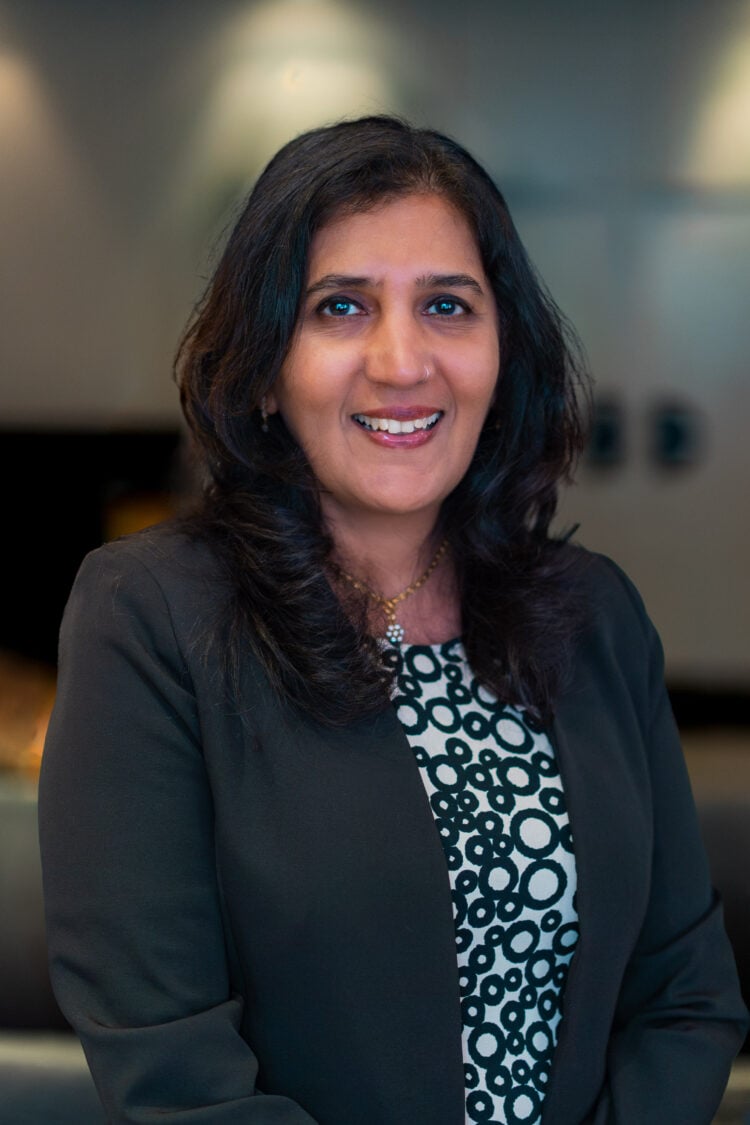
With clients, I ensure existing features are well evaluated before identifying gaps. Where changes are needed, I communicate them clearly, while setting realistic timelines, explaining trade-offs, and outlining phased delivery. Internally, I bring the customer context and business impact, working to define scope and stay aligned. This keeps us customer-focused without compromising product integrity.
Q: In fast moving trading environments, how do you ensure clients can operate with confidence and stability?
When markets move, preparation is everything. My team spends a lot of time making sure our solutions are well tested and our clients are well onboarded. When volatility hits, the technology holds and the client knows exactly what to expect.
Communication is equally important. When things move quickly, I make sure clients have timely and clear updates, even if the full picture isn’t available yet. Being transparent about what we know, what we’re working on, and what the next steps are goes a long way.
Q: How does your role help institutional clients understand and trust technical solutions over time?
Trust is built gradually, through consistency and transparency. Having worked with hundreds of clients across Europe and Asia over the last 15 years, I’ve found that being upfront and keeping clients informed at every stage makes a significant difference.
Clients who feel that their specific needs have been genuinely considered tend to engage more openly. In the long run, that’s what shifts the relationship from implementation to partnership.
Q: How do you collaborate across engineering and client-facing teams to deliver consistent outcomes?
I always make sure that context travels in both directions – bringing the client’s business reality into engineering conversations, and giving client-facing teams the technical grounding they need to set the right expectations. Having been at Integral for 15 years, I’ve seen how much the teams here genuinely care about getting customers live and delivering on what they’ve signed up for. My job is really to make sure everyone is rowing in the same direction.
Q: For someone considering a technical career that also involves client interaction, what skills or mindset matter most?
I think the most important thing is the ability to truly listen to the client. Not just to hear what a client is asking for, but to understand the problem they’re actually trying to solve.
Clear communication, a collaborative mindset, and a genuine curiosity for problem-solving go a long way. Technical knowledge is important, but it’s the human skills that tend to make the real difference, especially when you’re constantly navigating between two worlds that don’t always naturally speak the same language. If you can do that well, the rest follows.